
MY CART
You have 0 product(s) in your cart
Cart is empty.
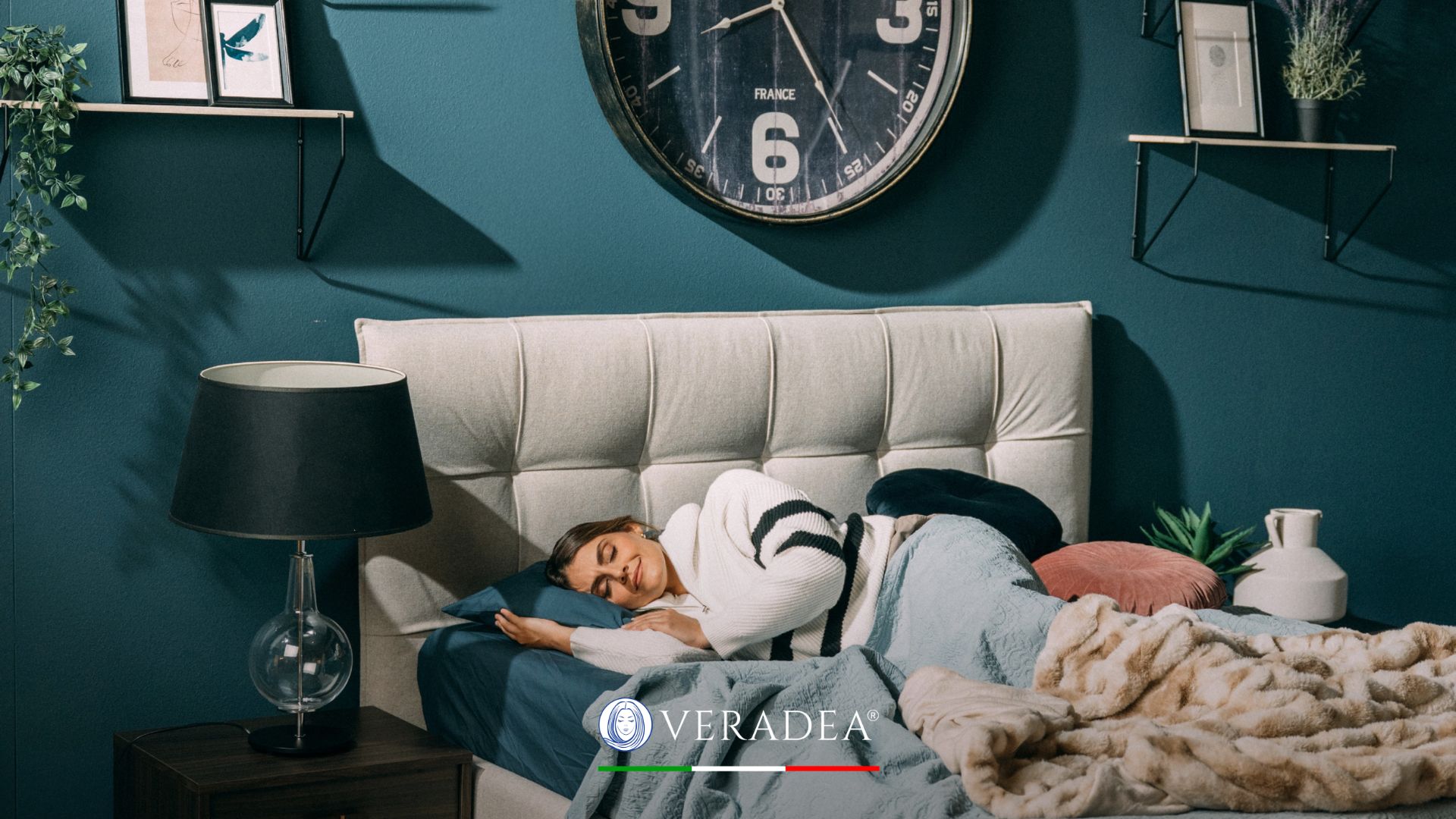
With the arrival of Daylight Saving Time (DST), the days get longer and the sun sets later, but for many of us, this shift feels like a real "mini jet lag." The body has to adapt to a new rhythm, often resulting in difficulty falling asleep, fatigue, and a dip in energy levels.
Fortunately, with a few simple adjustments, you can prepare yourself, reduce disruptions, and ensure high-quality sleep. Let’s discover together how to best handle the transition to Daylight Saving Time.
The human body adapts gradually to changes in the sleep-wake cycle, so anticipating the new schedule can reduce the feeling of exhaustion. Here are a few tips:
Preparing in advance is like giving your body a "light workout" to adapt to the new time, significantly reducing mini jet lag symptoms.
On the day of the time change, it is crucial to support your body with the right habits:
Furthermore, sleeping on a high-quality mattress and using ergonomic pillows can make a real difference: the comfort and support of a good foam or memory foam mattress reduce muscle tension and promote regenerative sleep.
In the days following the switch to DST, you can solidify your new circadian rhythm with some simple but effective practices:
Remember that quality sleep isn't just about how many hours you sleep, but how well you rest: a premium mattress is a valuable ally in facing changes like Daylight Saving Time without stress.
The transition to Daylight Saving Time may cause some temporary discomfort, but with small adjustments, you can adapt quickly and continue to enjoy restorative sleep. Preparing in advance, following healthy habits, maintaining a routine, and choosing high-quality mattresses and pillows are the best ways to tackle mini jet lag stress-free.
Don’t forget: sleeping well means living better.

Do you want to touch the Italian quality of Veradea mattresses and try them before buying?
We are waiting for you! We remind you that you have a 100 Night Trial to test your new mattress comfortably at home, with no extra costs for exchange/return.