
MY CART
You have 0 product(s) in your cart
Cart is empty.
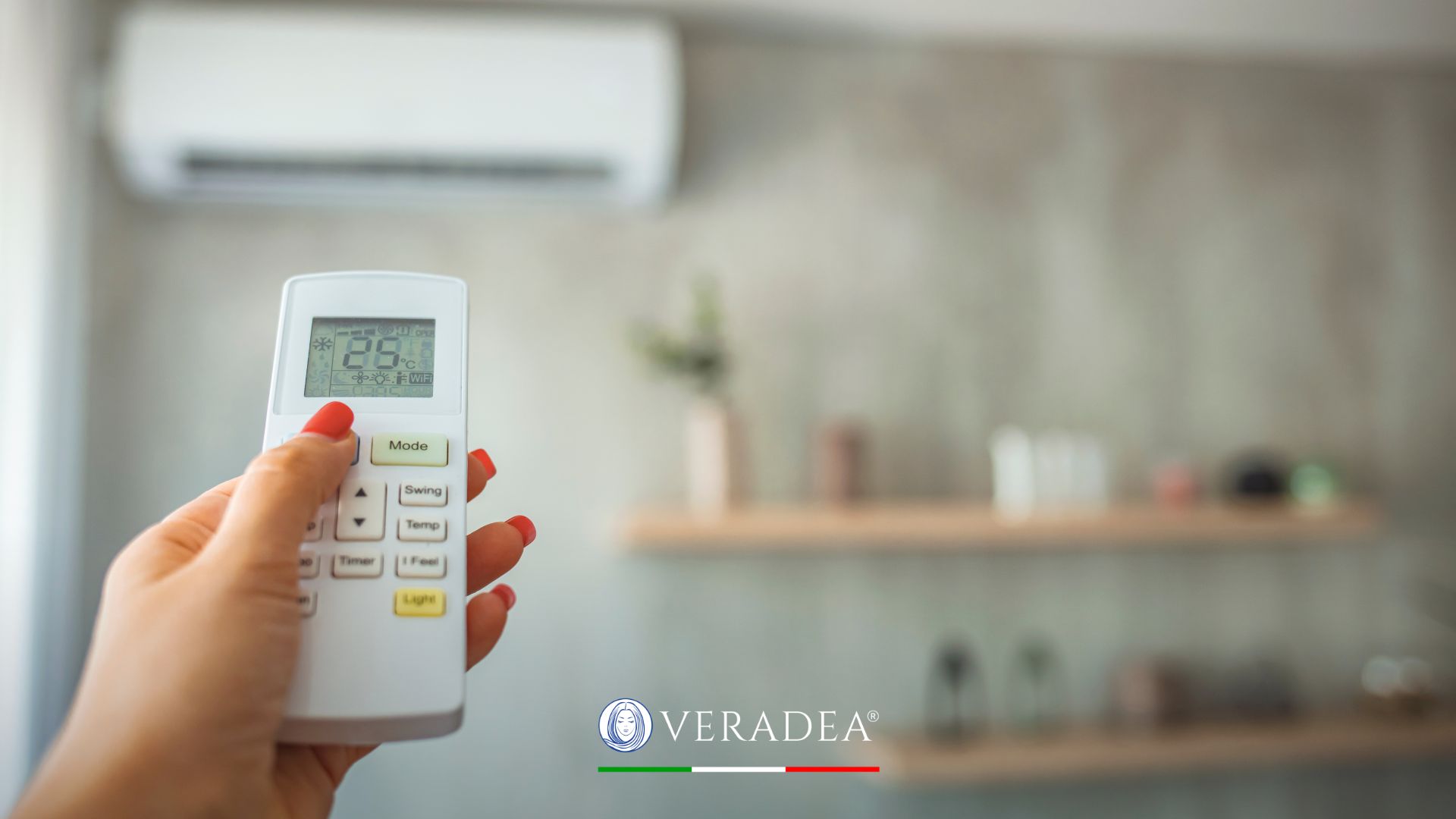
Night sweating is a very common issue, especially during the warmer months, and it can make it difficult to get a good night's sleep, particularly if you do not have air conditioning. Understanding how to avoid sweating at night without air conditioning means addressing several factors: body temperature, the sleeping environment, and evening habits. The causes of night sweats are not only related to outdoor heat but also to internal factors that influence excessive sweating and sleep comfort. In this article, we explore practical solutions to reduce night sweats and improve overall well-being, even on the hottest nights.
If you're wondering, “Why do I sweat at night?”, the answer is not always related solely to room temperature. Causes of excessive sweating may include:
In some cases, people may experience sudden sweating episodes, characterized by intense feelings of heat that occur during sleep without an obvious cause.
Reducing excessive sweating without air conditioning is possible, but it requires attention to small details that can make a significant difference.
1. Choose Breathable Bedding and Fabrics
The first step is to use natural fabrics such as cotton or linen. Synthetic materials tend to trap heat and worsen night sweats, increasing discomfort during sleep.
2. Regulate Your Body Temperature Before Bed
Taking a lukewarm shower before going to bed can help stabilize body temperature. Avoid very cold showers, as they may trigger a rebound effect and increase night sweating later during the night.
3. Stay Properly Hydrated Throughout the Day
Drinking enough water is essential for overall health and well-being. A well-hydrated body regulates internal heat more efficiently, reducing the likelihood of excessive sweating during the night.
4. Eat a Light Dinner
Although this topic may be covered in greater detail elsewhere, it is important to remember that heavy or spicy meals can increase body temperature and worsen night sweats.
5. Improve Natural Ventilation in the Bedroom
Opening windows during the cooler hours of the evening or creating cross-ventilation can help reduce accumulated heat. Even without air conditioning, this can significantly improve sleeping comfort.
One often-overlooked factor is the sleep system itself. If you frequently find yourself thinking, “I can't sleep” because of the heat, the surface you sleep on may be part of the problem. Older-generation mattresses, for example, can retain body heat. By contrast, a memory foam mattress designed with more breathable technologies can help dissipate heat and improve sleep quality.
Examples include the Veradea Memory Gel Ice Mattress and the Veradea Ibrido Ice Mattress, both specifically engineered to maintain a consistent feeling of freshness throughout the night thanks to thermoregulating “ice-effect” fabrics.
A breathable memory foam pillow can also help reduce heat buildup around the neck and head area, improving overall comfort.
Choosing the best mattress for your needs is not only a matter of comfort but also an effective way to help prevent excessive night sweating.
To improve sleep quality in general, even without air conditioning, it is also helpful to:
These habits help the body enter a state of relaxation more easily and often improve its ability to regulate temperature during the night.
Knowing how to avoid sweating at night without air conditioning means taking action on several levels: your environment, your habits, and the quality of your sleep system. The causes of night sweats are not always linked solely to external heat but also to how the body responds during sleep.
Optimizing ventilation, choosing breathable materials, and upgrading your mattress and bedding can significantly reduce excessive sweating and promote deeper, more restorative sleep. This way, you can enjoy a better night's rest even during the hottest summer nights.

Do you want to touch the Italian quality of Veradea mattresses and try them before buying?
We are waiting for you! We remind you that you have a 100 Night Trial to test your new mattress comfortably at home, with no extra costs for exchange/return.